
The Impact of the Paris 2024 Olympic Games on Industrial Transport Logistics
18/07/2024
Sumemos juntos
12/12/2023
From 1 May until 31 October, France has announced a temporary suspension of the Schengen Agreement on its territory. But what exactly is the Schengen Area and what is its origin?
The Schengen Agreement is a fundamental milestone in European integration, which gave rise to the Schengen Area. Its origin dates back to June 1985, when it was signed on board the river boat ‘Princess Marie-Astrid’ near the city of Schengen (Luxembourg). It involved Belgium, Germany, France, Luxembourg and the Netherlands. The aim was to gradually eliminate border controls at the common borders of the signatories, facilitating free movement between these nations.
In 1990, it was completed with the Schengen Convention, which established the Schengen Area and initiated the creation of a single jurisdiction for immigration and asylum. Eventually, all EU Member States, except Ireland and the United Kingdom, joined. In addition, four non-EU countries (Iceland, Norway, Switzerland and Liechtenstein) also subsequently joined the Schengen Area.
Among the aims of the Schengen Agreement are:
- Ensuring free movement: abolishing internal border controls.
- Common visa policy: allowing non-EU citizens to travel within the area on the basis of a single visa.
o Certifying collective security: reinforced controls at external borders, thus contributing to the collective security of the Member States.
Regarding temporary suspension, an exceptional measure was applied in 2015 due to the refugee crisis. The Schengen Code allows for the temporary closure of the EU’s internal borders under certain circumstances. Something similar is being done by France, which, with the imminent celebration of the Olympic Games in Paris during the summer months, wants to avoid any potential danger to its citizens.
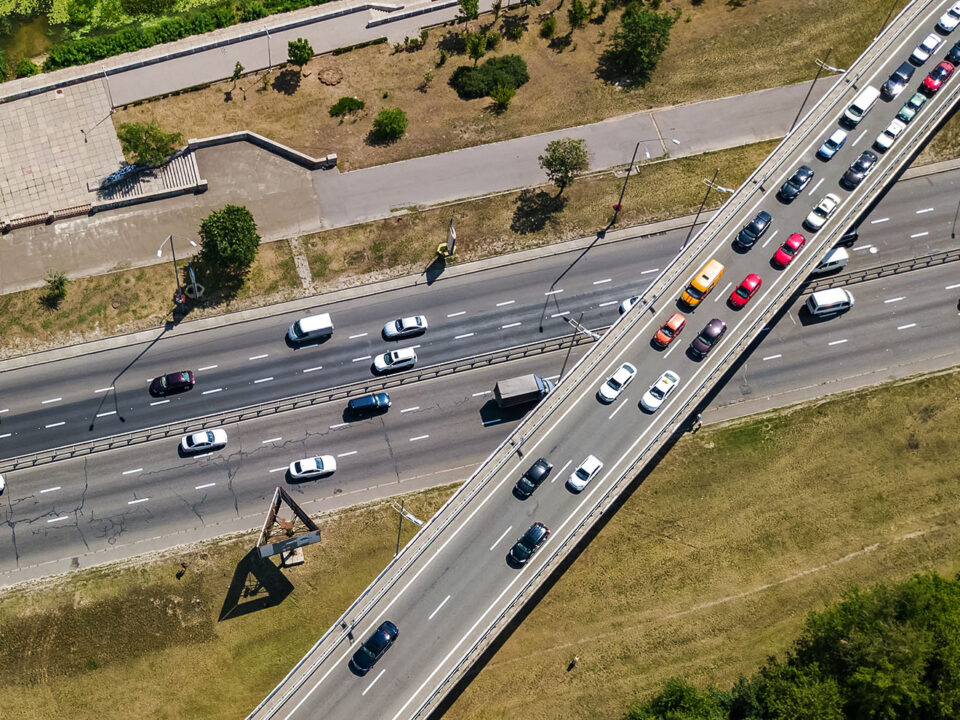
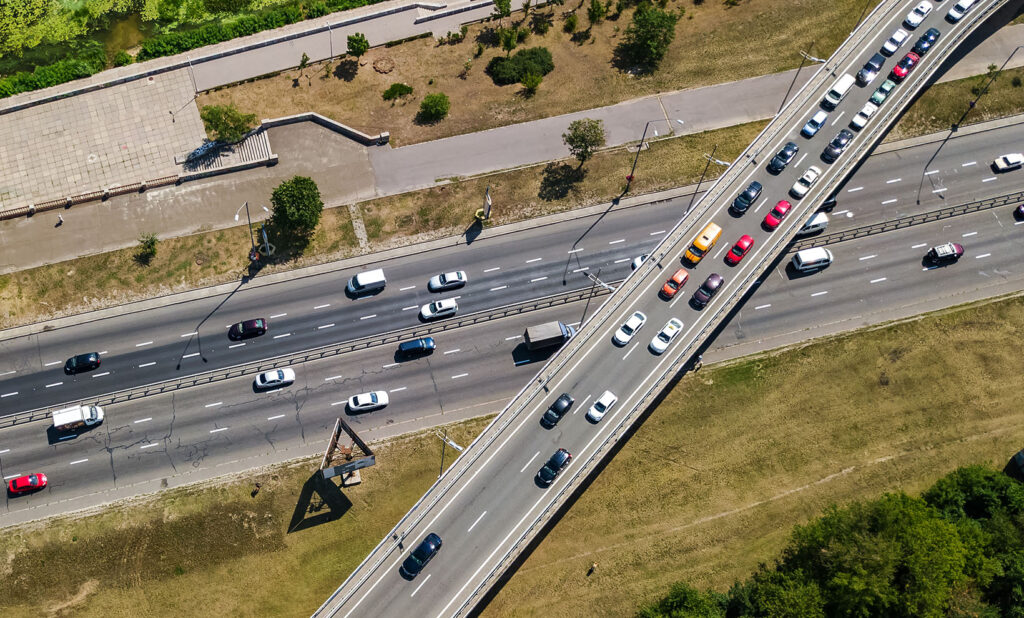
For this reason, both transport professionals and citizens may be affected by the increase in traffic due to the greater number of police controls, both at borders with neighbouring countries and at points considered of interest.
From HTG Express we continue to inform ourselves and look for valid alternatives so that your company does not suffer the consequences of this change in the policy of controls by France.
If you have any questions, we will be happy to help you:
Operations.eur@htg-express.com
+943 63 44 17